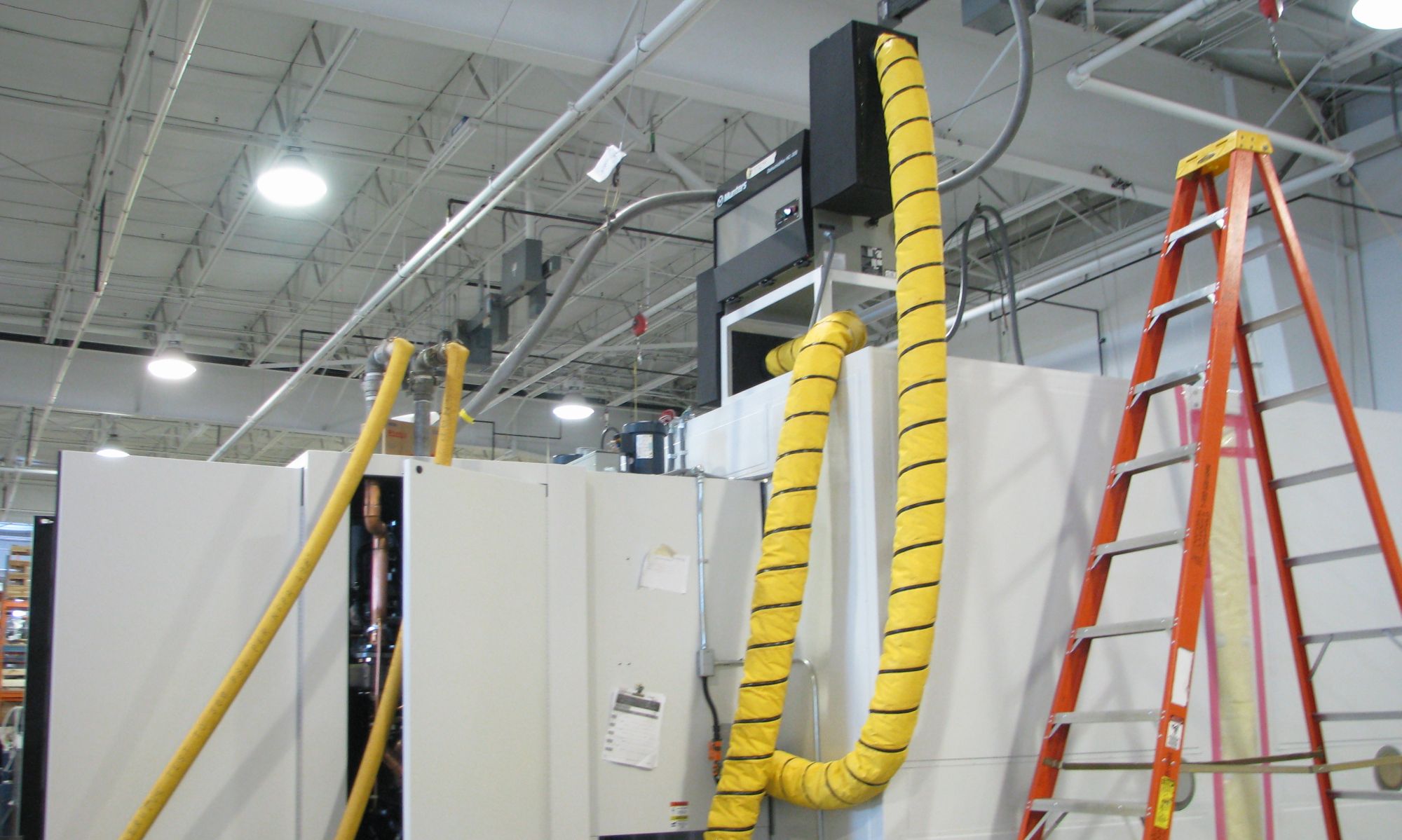
Industrial buyers still want to buy American

Got this in an email newsletter today from Process Heating (not on their website however):

Results of Process Heating magazine?s electronic survey of industrial electric heater users show that most buyers prefer to purchase their heaters from U.S. companies.
Eighty-eight percent of respondents to the February survey indicated they do not look to China or India for their electric heaters or heating elements. Why not? Here are some direct quotes from respondents.

  • We buy American.
  • I try to promote the U.S. economy.
  • I am comfortable with domestic suppliers.
  • Because I live and work in America.
  • Good U.S. manufacturers are available.
  • Our company typically likes to go with American-made products.
  • No reason to, and would prefer buying U.S.-made goods.
  • We have an established relationship with a U.S. manufacturer and always patronize American manufacturers.

The February 2005 survey was emailed to more than 5,000 subscribers and had a 6 percent response rate.

So, while it seems that everything is made in China these days, the industrial B2B world still likes to buy American. If you’ve got foreign competition, it would be smart to boast that you are selling domestic products. Instinctively, you might think that doing so is too much ‘talking about us’, but to the buyers there is a benefit: feeling good about their decision.

Industrial Quick Search revamps

One of the first topics I discussed on this blog was Industrial Quick Search, whose tagline “The engine inside the engine” defines what they do very well. They are a directory website service to increase visibility of industrial companies like mine. Their high Google rankings and convenient list of suppliers was quickly copied by Thomas Register (now Thomas Net). I joined their listings with the belief that the sooner a searcher can find my website and products, the better.

In recent history, Google has buried or dropped a number of their sites, including the one I am listed on. Traffic dropped significantly, but I am patient to see them recover (dropped to the levels I get from Thomas).

They haven’t been sleeping, adding content to their otherwise spartan directory sites. Now they are adding a new website, www.iqsdirectory.com which aggregates all their listings and looking to add an RFQ tool so that a visitor can blast their request to directory members. This becomes more of a ‘sticky’ website for the repeated industrial product searcher, more like GlobalSpec or ThomasNet.

But, as one person said to me about online directories recently, “what are they really selling?” In IQS’s case, its quality website traffic. Can they deliver like they used to?

A marketing app?

One of the frustrations as a salesperson is paperwork. Since we implemented ISO, one of the added forms is a “Request for New Customer” form, that also requests a standard credit app (trade references, duns#, bank info) from all new companies that buy from us.

Apparently is a more common procedure these days, but most buyers don’t send this information with a PO, and most buyers don’t list their name or contact info on their POs. So you’ve got to hunt down the buyer and request that info. I usually wait until I’ve entered the order so I can also tell them what other problems their might be with their PO. At least for us, the ‘request for new customer’ doesn’t slow down the order, which is a competitive advantage over the #1 in our industry who won’t release any order till credit is approved.

So, while filling out one of these forms, I wondered if my new one-man marketing department should create its own ISO procedure requiring detailed info on new customers for demographic analysis? Or at least add these questions to the ‘new customer’ form. Probably better to tack on to someone else’s painful paperwork than add my own, huh? Shouldn’t we treat the customer’s demographic data with as much importance as the customer’s credit info?